Your Curbside Glass Might Be Landfill Cover, Not a New Bottle
You rinse it, sort it, and toss it in the bin with good intentions. Here's why so much of that glass ends up as landfill cover or gravel instead of a new jar.
I used to feel genuinely virtuous tossing a wine bottle into the recycling bin. Clink, done, environmental duty fulfilled. Turns out that clink was often the sound of a bottle beginning its journey to becoming... landfill cover. Not a metaphor. Actual dirt substitute.
The single-stream problem nobody explains at the curb
Most U.S. curbside programs use single-stream collection, meaning your glass, paper, plastic, and metal all ride to the sorting facility in the same truck, tumbled together. Glass is heavy and brittle, and it shatters during collection and sorting, with shards embedding in paper bales and cardboard and lowering their resale value, while also damaging sorting equipment and posing a safety risk to workers. So the very system designed to make recycling convenient for you is the same one that turns your bottle into confetti mixed with junk mail before it ever reaches a glass plant.
The numbers are rougher than the "100% recyclable" label suggests
Glass is chemically able to be melted and reformed endlessly without any loss in quality, which is true and often repeated, but true potential and actual outcome are two different things. In the U.S. only about 31 to 33 percent of glass containers actually get recycled, according to EPA and industry data, compared to recycling rates exceeding 90 percent in countries like Switzerland and Germany. That gap isn't about Americans caring less. It comes down to two infrastructure choices: the shift to single-stream collection in the 1990s and 2000s, and the closure of glass-only drop-off programs as city budgets tightened.
Why "recycled" often means "downcycled" or "buried"
Even when your glass avoids the trash, it doesn't automatically become a new bottle. Contaminated, color-mixed loads often end up being used as road base, or as landfill cover when ground into a sand-like consistency and spread over the day's waste, or just thrown away outright. Some places genuinely do use it well: crushed glass added to concrete has actually shown improved long-term strength and thermal insulation. But that's still downcycling into concrete or gravel, not the closed loop where a bottle becomes a bottle again, which is the version that actually saves the most energy and raw material.
Location changes everything, and that's the annoying part
Here's the thing that makes this genuinely complicated rather than a simple "recycling is a scam" story: states with bottle deposit laws hit a 63 percent glass recycling rate, versus roughly 24 percent in states without one. Some cities, like Tucson, straight up ended curbside glass pickup because it cost around $107 a ton to collect, and now residents use one of 22 drop-off sites instead. Meanwhile Salt Lake City runs a genuinely functional optional curbside glass program through a dedicated recycler that sends the material to be reused locally. Your bottle's fate depends entirely on your zip code, which is a maddening thing to discover after years of diligent rinsing.
So what do you actually do with it
First, find out what your city actually does with curbside glass instead of assuming. A five-minute search of your municipality's sanitation site or a call to your hauler will tell you whether your glass goes to a real glass plant or a stockpile. If your area has a glass-only drop-off site, use it. That material tends to be cleaner and is the type manufacturers actually want, because deposit-return and dedicated-collection glass yields around 98 percent usable material for new containers versus much lower yields from mixed curbside loads.
Second, stop crushing your bottles before tossing them in the bin if curbside is your only option. Whole bottles are easier for sorting equipment to identify and separate than a pile of shards, so save the smashing satisfaction for a good day and just rinse and lid-remove instead.
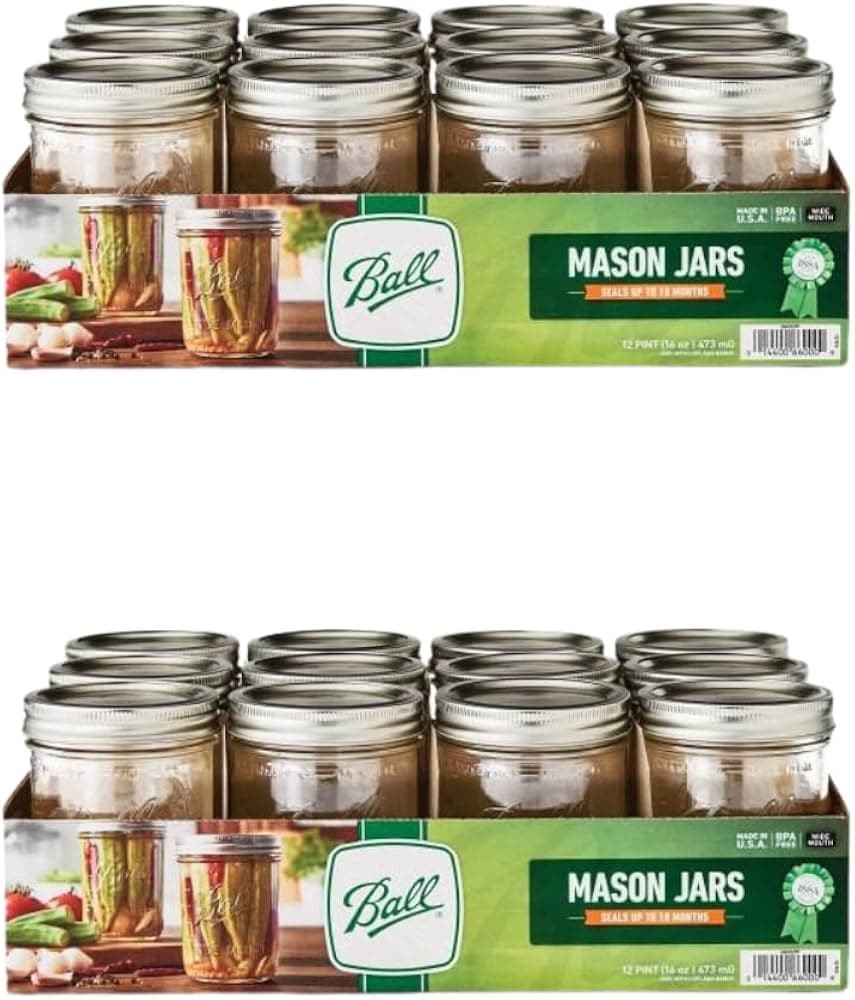
Third, and this is the boring but effective part, just reuse what you already have before it enters any waste stream at all. A jar that becomes pantry storage or a leftovers container never has to survive a single-stream sorting line, get shipped to a beneficiation plant, or hope some fiberglass manufacturer needs cullet that week. If you're going to buy jars anyway for pantry organizing, meal prep, or canning, a sturdy reusable set like Ball wide mouth mason jars does double duty: it replaces disposable containers you'd otherwise buy and pitches in as extra jar-life for the bottles you already have.
The honest bottom line
Glass recycling isn't fake, but it's not the tidy closed loop the "100% recyclable forever" messaging implies either. It's a system that works great in some cities and badly in others, and your best move is checking which one you live in rather than assuming the bin handles it. Rinse it, don't crush it, look for a glass-specific drop-off if you have one, and get as much second life out of the jars in your kitchen as you can before they ever hit the curb.
Get the Ball Wide Mouth Pint 16-Ounce Glass Mason Jars with Lids and Bands, 12-Count
Ad, affiliate link: we earn a commission when you buy through this link. The price stays the same for you.
Shop on AmazonLiked this? There are 10 more swaps.
The free checklist covers kitchen, bathroom, and shopping. Every swap researched like this one.