Shampoo Bars vs Bottled Shampoo: The Real Cost Math on Switching
Shampoo bars look pricier on the shelf, but the real cost comes down to cost per wash, not the sticker. Here's the actual math.
Stand in the shampoo aisle and compare a $15 bar to a $6 bottle of drugstore shampoo, and the bar looks like a scam. Same thing happens online. Fair enough: your brain does simple division and the bottle wins. But that's the wrong math, and it's the exact math the bottle wants you to do.
The sticker price is lying to you
Liquid shampoo is mostly water. Industry estimates put it at roughly 70 to 90 percent water by volume, which means you're paying bottle prices, shipping costs, and plastic packaging for something you could get out of your own tap for free. A shampoo bar is the same active ingredients with the water squeezed out, which is why it looks small and expensive sitting next to a 12-ounce bottle. It isn't a smaller product. It's a concentrated one.
The only fair way to compare them is cost per wash, not cost per container. And once you do that math, the story flips.
The actual numbers
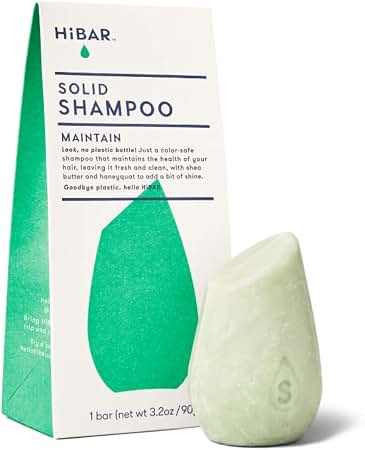
Bottled shampoo typically runs about 25 to 40 washes per bottle depending on size and how much product you use, and that usually works out to somewhere between $0.25 and $0.60 per wash depending on the brand tier. Shampoo bars, meanwhile, tend to land in the 50 to 80 wash range per bar, which usually comes out closer to $0.14 to $0.28 per wash. A HiBAR Maintain Shampoo Bar, for example, runs about $14.99 and is rated for roughly 60 to 80 washes, and the brand itself notes each bar lasts about as long as two bottles of liquid shampoo. Multiple independent write-ups comparing bars like Ethique, HiBAR, and BeNat against budget-to-mid liquid shampoo landed in that same range, with bars consistently coming out cheaper per wash even though the upfront price looks higher.
So when does it actually pay off
Here's the simplest way to think about break-even: one shampoo bar generally replaces two to three standard bottles of liquid shampoo. If you wash your hair four or five times a week, a bar in that 60 to 80 wash range lasts somewhere around three to four months for one person. Compare that to buying two or three bottles over the same stretch, and the bar wins on pure dollars within the first bar, not after some long payoff period. That's different from something like a bidet attachment or a set of wool dryer balls, where you're waiting months to earn back an upfront cost. With shampoo bars, the savings start showing up almost immediately because you're not buying as often.
Where it gets murkier is households sharing one bottle versus one bar. A family of four blowing through a 12-ounce bottle every couple of weeks is already paying a water tax on every refill. Switching that household to bars compounds the savings faster, just because there are more total washes happening against the same product.
The catch nobody puts in the marketing copy
Not all bars are created equal, and this matters more than the cost math. True soap-based bars can leave a waxy film in hard water that makes hair feel coated or dull, which is the single biggest reason people try a bar once and swear off the whole category. Syndet bars (detergent-based, not true soap) tend to avoid that problem and behave more like a solid version of regular shampoo. If you're going to try this, check which kind you're buying, because a bad first experience with a soap bar is not the same thing as shampoo bars being bad.
There's also a real adjustment window. Plenty of comparisons note a short transition period while your scalp recalibrates, especially if you're coming off a sulfate-heavy bottled shampoo. Give it two or three washes before deciding it's not for you.
What you're actually saving beyond the dollars
The money is real, but the plastic math is arguably bigger. Hundreds of millions of plastic shampoo bottles get discarded every year in the US alone, and most of that is just packaging for water. A bar that lasts through 60 to 80 washes eliminates two or three of those bottles outright, no curbside bin required, no "is this the recyclable kind of plastic" guessing game.
The bottom line
If you wash your hair regularly and you're not precious about your current formula, a shampoo bar will almost certainly save you money per wash, usually from the very first bar, not after some long break-even period. Pick a syndet bar if you've got hard water or color-treated hair, give it a couple of washes to adjust, and do the math on your own bathroom cabinet. The bottle was never actually the cheaper option. It just had better packaging.
Get the HiBAR - Maintain Shampoo Bar - For Balanced Hair - Plastic-Free - 1 Bar
Ad, affiliate link: we earn a commission, your price stays the same.
Shop on AmazonLiked this? There are 10 more swaps.
The free checklist covers kitchen, bathroom, and shopping. Every swap researched like this one.