Menstrual Cups vs Tampons: The Real Cost Math on Switching
A menstrual cup costs more upfront than a box of tampons, but here's the actual math on when it pays you back.
Let's do the math nobody does before they buy a $30 silicone cup on a whim. Is it actually cheaper than tampons, or is this another case of sustainable-sounding math that falls apart the second you look closely?
Start with what you're actually spending now. Most estimates put the average cost of tampons or pads somewhere between $50 and $150 a year, depending on your flow, your brand loyalty, and whether you're buying the fancy organic ones or whatever's on sale at the drugstore. Over a decade, even the low end of that range adds up to $500 or more, and that's before you factor in the applicators, the wrappers, and the emergency CVS run because you ran out at the worst possible time.
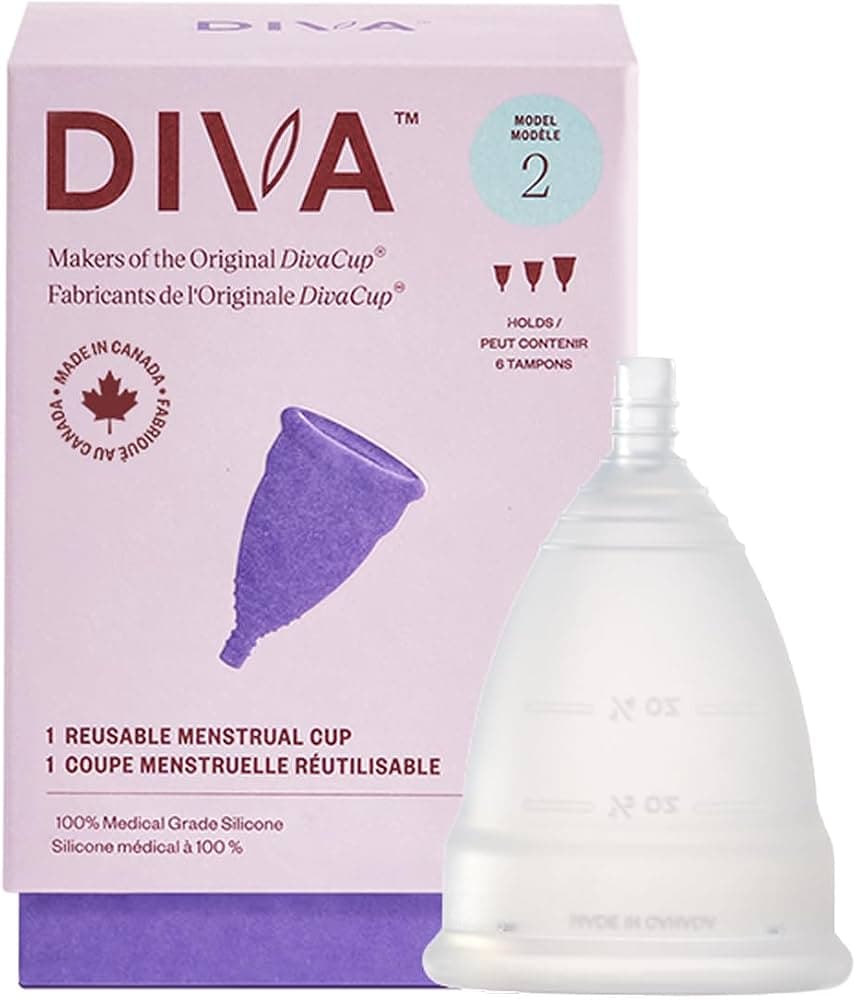
A menstrual cup, by comparison, runs about $20 to $40 for something like a DivaCup or similar silicone cup, and manufacturers generally say it's good for up to 10 years with proper care, though most guidance suggests replacing it every couple of years just to be safe on the silicone's integrity. Even if you're conservative and replace it every three years, you're looking at maybe $60 to $120 total over a decade. Compare that to $500 to $1,500 for tampons over the same stretch and the gap isn't subtle. It's not "slightly cheaper," it's "why did I wait this long" cheaper.
The break-even point is basically your second period
Here's the part that actually matters for deciding whether to bother: how fast does the cup pay for itself? If you're spending even $8 to $10 a month on tampons, a $30 cup breaks even in three to four months. That's it. You're not waiting years to see savings, you're waiting one season. After that, every cycle is basically free except for the mental cost of remembering to boil the thing between periods.
Where the math gets messier
None of this is one-size-fits-all math, and the research is upfront about that. Cups come in different sizes and firmness levels, and if the first one doesn't fit right, you may end up buying a second brand to find your match, which eats into the savings in year one. There's also a learning curve. The insertion and removal technique takes most people a cycle or two to get comfortable with, and if you're someone who gives up after one awkward bathroom incident and goes back to tampons, you've just paid $30 for a lesson instead of a period product. The savings are real, but they assume you stick with it.
It's also worth being honest that a cup holds significantly more than a single tampon, which sounds great until you're a heavier flow person who's now second-guessing when to empty it. Most cups need dumping every 8 to 12 hours depending on flow, which is actually less frequent than the four to six hour tampon changing window doctors recommend, so if anything this cuts down on daytime bathroom trips, not just cost.
What about the waste side of things
The environmental case tends to get the flashier headline, and it's not wrong. A single-use menstrual product, applicator and all, doesn't compost or recycle, and the sheer volume of tampons and pads thrown out in the US every year is genuinely staggering. A cup replacing years of that waste stream with one small piece of silicone is a real reduction, not a greenwashed one. But if you're reading this blog, you probably already know that part. The number that actually gets people to switch is the one in their bank account, and that one checks out too.
Who this doesn't make sense for
If you're on hormonal birth control that makes your periods light and short, or you already buy tampons in bulk on sale, your annual spend might already be near the low end of that $50 range, which stretches the payback period out longer, maybe six months to a year instead of three. It's still worth it eventually, just don't expect to feel the savings as fast. And if you've tried a cup before and it genuinely didn't work for your body, that's a real reason to skip it, not a personal failing. Fit matters more than brand loyalty here.
The bottom line
The math holds up better than most sustainable swaps you'll read about. A cup that costs $25 to $40 and lasts even a few years beats tampons on price within a few months, not years, and it does it while keeping a decade of plastic applicators out of a landfill. The catch isn't the cost, it's the two-cycle learning curve most people don't warn you about before you buy one.
Get the DIVA Cup Model 2 (for Wide Vaginal Canals, Post-Partum & Ages 35+)
Ad, affiliate link: we earn a commission when you buy through this link. The price stays the same for you.
Shop on AmazonLiked this? There are 10 more swaps.
The free checklist covers kitchen, bathroom, and shopping. Every swap researched like this one.