Do Bidet Attachments Actually Pay for Themselves? The Real Cost Math
A cold-water bidet attachment costs less than a nice dinner out. Here's the actual math on how fast it pays you back in toilet paper savings.
Let's get the awkward part out of the way first. Yes, we're talking about bidets. No, this isn't going to be weird about it. It's just math, and the math is more interesting than you'd expect from a bathroom accessory.
I started looking into this because my toilet paper spending felt like one of those invisible subscription fees you never think to cancel. Turns out that instinct was right. The average American uses about 140 rolls of toilet paper a year, and a 2,000-person survey from Study Finds put average annual spending at around 182 dollars per person. Multiply that across a lifetime and you're somewhere north of 11,000 dollars, which is the price of a decent used car, spent entirely on something you flush.
So what does a bidet attachment actually cost
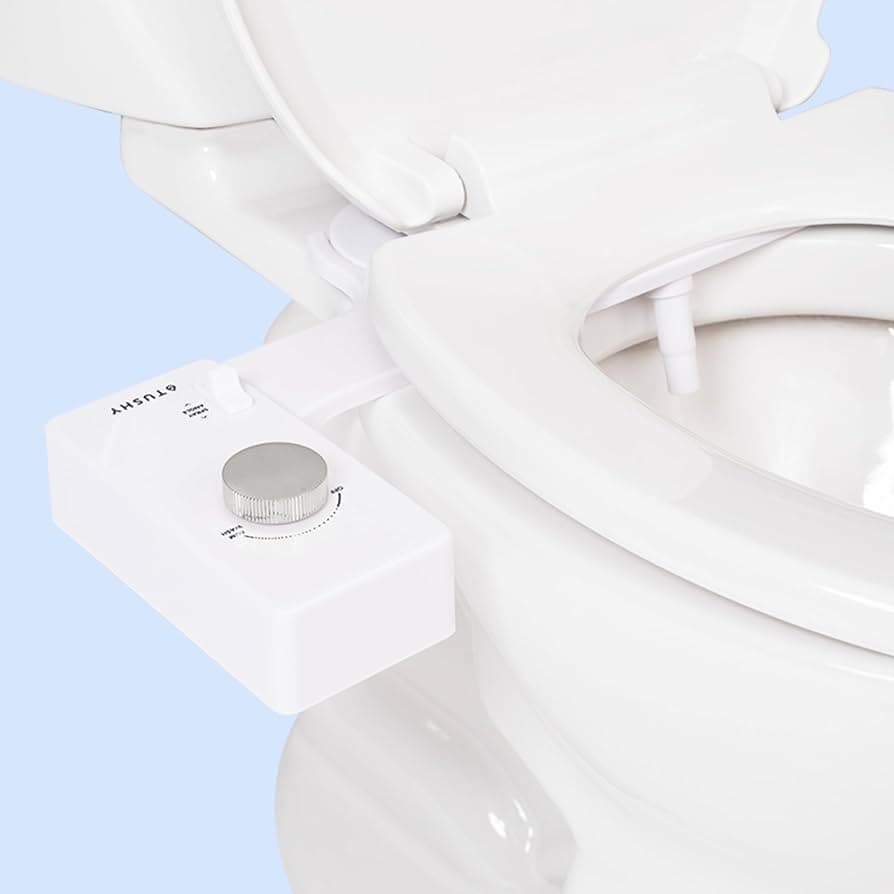
A basic non-electric bidet attachment, the kind that bolts under your existing toilet seat and hooks into the water line already feeding your tank, runs somewhere between 50 and 120 dollars. TUSHY's Classic 3.0, one of the most popular models on Amazon, sits around the 99 dollar mark and is a genuinely simple install, no electrician, no plumber, just a screwdriver and about ten minutes. It uses your regular tap water, not the toilet bowl water, which is the question everyone asks and nobody wants to say out loud.
There's no electricity involved with the non-electric versions, so you're not adding anything meaningful to your utility bill. Water cost per use is tiny, often estimated at under two dollars per person per year for a non-electric attachment, because each rinse only uses a fraction of a gallon.
The actual payback period
Here's where it gets useful. Most bidet users don't quit toilet paper entirely, they just use dramatically less of it for pat-drying instead of full cleaning. Reductions of 75 to 80 percent in toilet paper use are typical after switching. For a single person spending around 180 dollars a year on TP, a 50 to 100 dollar attachment pays for itself in roughly four to twelve months depending on how cheap your toilet paper habit was to begin with. For a household of three or four, where toilet paper spending often runs 400 to 600 dollars a year, that payback period shrinks to a matter of weeks.
After the attachment pays for itself, the ongoing savings just keep stacking. A family of four spending 250 to 300 dollars a year on toilet paper and cutting that by three quarters is pocketing an extra couple hundred dollars annually, indefinitely, off a purchase that typically lasts five to ten years before you'd even think about replacing it.
It's not just about the money
The environmental case is honestly the more dramatic number here. Producing a single roll of toilet paper takes around 37 gallons of water, compared to roughly an eighth of a gallon used per bidet rinse. At 140 rolls a year, that's over 5,000 gallons of manufacturing water per person just for the paper you're replacing. None of that shows up on your water bill, but it's real water, and it's a real reason bidets get lumped into sustainability conversations instead of just budgeting ones.
The honest downsides
It's not a flawless upgrade. Entry-level attachments use cold water, which takes a few uses to stop feeling like a surprise. If you rent, you'll want to check your lease about permanent fixture changes, though most attachments are removable in minutes if you ever need your old seat back. And if your household is genuinely small on toilet paper spending already, say you live alone and buy the cheapest bulk pack twice a year, your payback stretches closer to a year, which is still fine but less dramatic than the family-of-four numbers.
The bottom line
If you're the kind of person who tracks where your grocery money actually goes, toilet paper is a sneaky line item that a one-time 50 to 100 dollar purchase can mostly erase. It won't make you rich. But it's one of the rare upgrades where the cheap option and the sustainable option are the same option, and you get your money back well before the thing wears out. Worth a Sunday afternoon of light plumbing, honestly.
Get the Tushy Classic Bidet Toilet Attachment
Ad, affiliate link: we earn a commission when you buy through this link. The price stays the same for you.
Shop on AmazonLiked this? There are 10 more swaps.
The free checklist covers kitchen, bathroom, and shopping. Every swap researched like this one.